by Metropolitan Clement of Larissa and Platamon
Recently, from May 18 to 20, 2025, an Ecumenical Conference was held in Athens by the “Commission of International Affairs” of the “World Council of Churches” (WCC), hosted by the official Church of Greece of the New Calendar. It was the 60th session of this particular Commission of the WCC, dedicated to the 100th anniversary of the 1925 Stockholm Conference in Sweden of “Life and Work”—that Ecumenical Organization which aimed at the practice of “practical Christianity” without concern for or discussion of the differences in faith among the member “churches” participating.
Back in 1925, Orthodox representatives also participated in that Ecumenical Conference, something of particular importance for the Protestants who had initiated the event, hoping—according to their understanding—for an expansion beyond their own ecclesiastical world (WCC website, News, 20-05-2025).
Even then, 1600 years after the First Ecumenical Council of 325 in Nicaea of Bithynia, the misguided slogan of the Stockholm pioneers was: “A Nicaea for ethics, for practical Christianity.” The emphasis was placed on the practical application of the Christian faith to the burning issues of that interwar period. According to Protestant thinking, it was believed that in order to exert global influence, it was not sufficient for each “church” to act independently within its own country, but rather there needed to be joint action of “churches” on a broader level, despite their doctrinal differences.
Through the then Lutheran Archbishop of Uppsala, Nathan Söderblom, a call was made for “practical cooperation” despite ecclesiastical differences. The mindset of the heterodox—both then and now—and also of the Orthodox Ecumenists, was and remains that unity already existed and exists, and that through the Ecumenical movement and commitment, this unity should be recognized and experienced (WCC website, News, 20-05-2025).
This thoroughly unorthodox mindset went as far as to declare that dogmas cause division and that, therefore, emphasis on so-called “practical Christianity” unites.
But the problem does not lie in what the Protestants believe and proclaim. The problem lies with the Orthodox, who, through the Encyclical of the Ecumenical Patriarchate in 1920 “To the Churches of Christ Everywhere,” had already accepted obvious heresies, which can be summarized as: a) accepting the baptism of the heterodox, and b) the desire and willingness for common witness and service with them in the modern world—in other words, for cooperation and association to address the problems of this world. It need not be emphasized that these baseless positions are entirely unknown and unthinkable in the history, life, and experience of the Orthodox Church throughout its two-thousand-year course.
That is why the call from the Protestant world as early as 1920 in Geneva, and particularly in 1925 in Stockholm for a coalition in an Ecumenical body for joint cooperation on a practical level (later in Oxford in 1937), found the Orthodox Ecumenists suitably prepared for a positive response.
The other Ecumenical Organization, “Faith and Order,” for addressing doctrinal issues, was also founded in 1920 in Geneva, with landmark conferences in Lausanne (1927) and Edinburgh (1937). The merger of these two Organizations in 1948 in Amsterdam formed the now well-known “World Council of Churches.”
The current “Commission of International Affairs” of the WCC is the “inheritor” of the “Life and Work” organization and emphasizes the “development of international law” and work “for justice and peace in the world” (WCC website, News, 20-05-2025).
For this reason, it was this Commission that convened the recent Ecumenical Conference in Athens last May, 100 years after the Stockholm Conference, under the general theme: “The Time for God’s Peace Is Now,” with the lofty vision of “seeking a renewed commitment to the unity of the Church and all humanity” (WCC website, News, 19-05-2025).
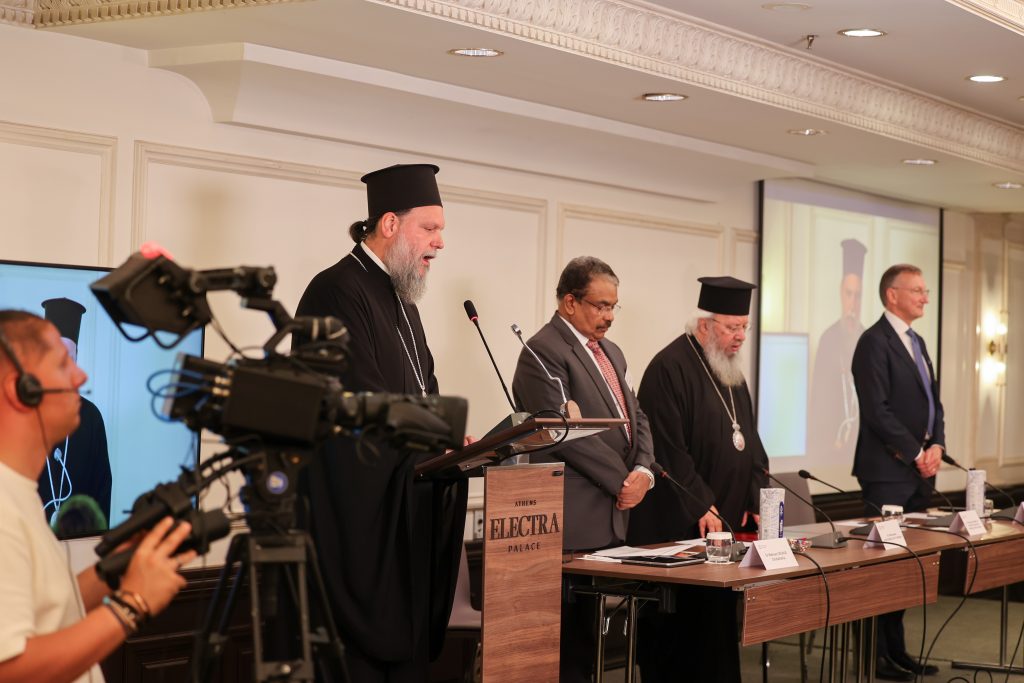
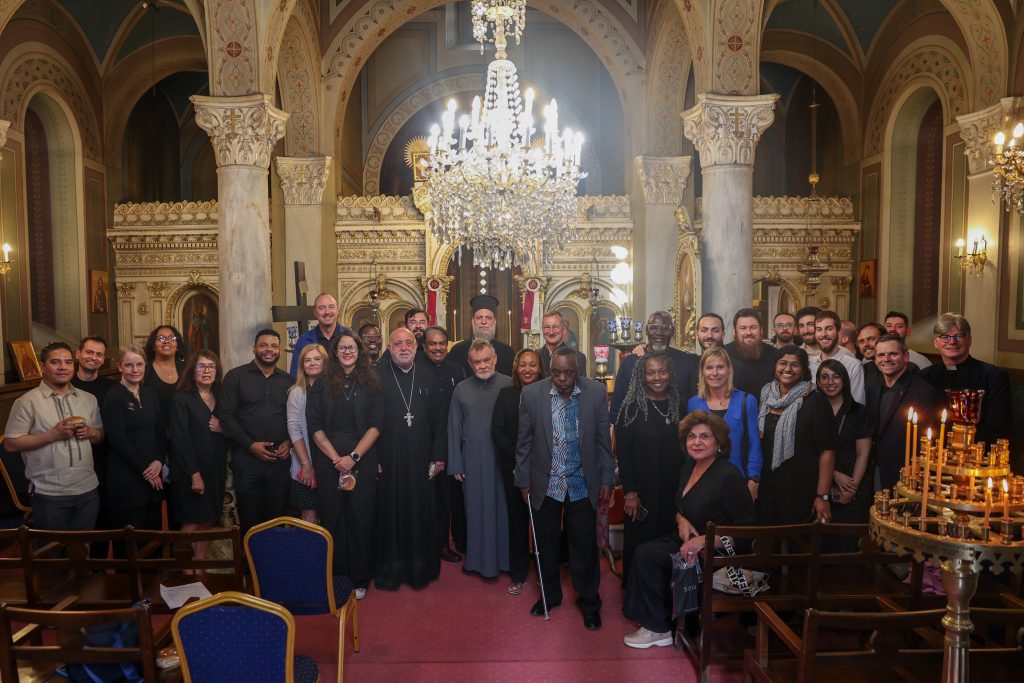
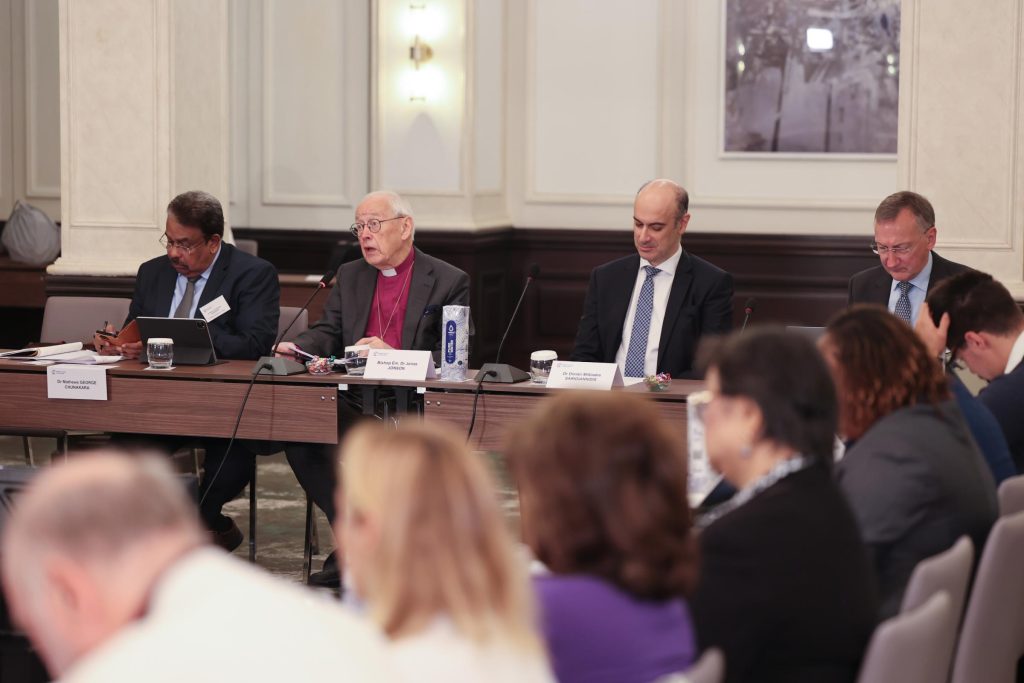
The sessions took place in a hotel in Athens and began with a prayer by Metropolitan Gabriel of Nea Ionia and Philadelphia. Metropolitan Agathangelos of the Phanar read a greeting from Archbishop Ieronymos. Greetings were also delivered by the then Minister of Migration and Asylum, Mr. Makis Voridis, among others. The Conference, according to its announcement, dealt with exploring Ecumenical responses to emerging global trends in international relations and geopolitical developments (WCC website, News, 19-05-2025).
It is evident from the slogan-based clichés about the aims of the Conference, as we’ve indicatively cited, that an effort is being made—though without any real substance—to impress and draw wider social interest, as if such an Ecumenical Conference significantly contributes to the exploration and achievement of lofty and desirable goals. In reality, however, from a spiritual perspective, this is yet another Ecumenicanist slip into meaningless verbiage, and at the same time, it involves the promotion of Ecumenical heresy; socially, it merely causes noise devoid of any real substance, apart from references to geopolitical topics according to the prevailing Western perception of global events.
On May 19, the second day of the Conference, cleric Nikolaos Kazarian of the Greek Orthodox Archdiocese of America under the Ecumenical Patriarchate was particularly revealing in his Ecumenist excesses—showing the extent of heretical erosion among Orthodox Ecumenists. He supported joint Christian action despite doctrinal differences, “in a suffering world,” which supposedly offers “a common witness” within it. This “pioneering step” regarding social responsibility is founded “in the mystery of baptism,” in which, apparently, all participate, “and in our common confession of the sacrificial love of Christ, as proclaimed at the First Ecumenical Council of Nicaea” (Orthodox Times, 19-05-2025).
Here we see confirmation of the heresies of the 1920 Encyclical, which we previously mentioned.
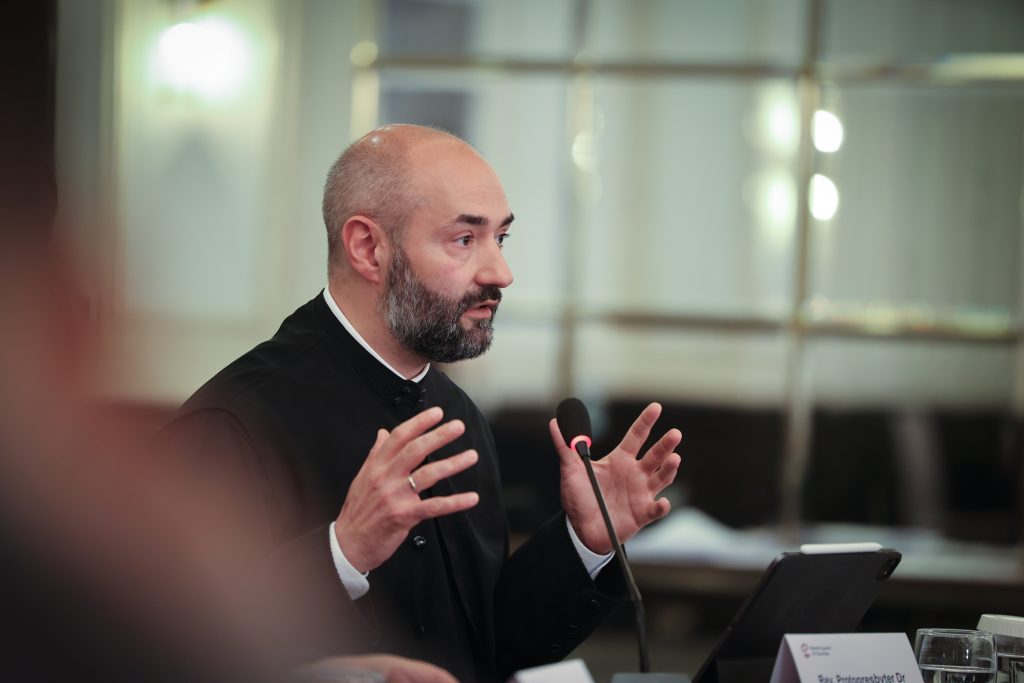
Kazarian continued: “The global conflicts call the Church to reclaim its prophetic role.” But we must ask, what “Church” is being referred to here before an interdenominational audience within the WCC? The vagueness reveals the deeper heretical Ecumenist belief that all of them together comprise this “Church,” as long as they participate in a “common” baptism, which they believe incorporates them into the reality of the “Body of Christ,” and therefore they can offer “common witness” to the world.
Kazarian believes that “Ecumenical dialogue offers tools of reconciliation that can be applied in our own communities… The Ecumenical movement can in fact be a vital means by which God heals from within.”
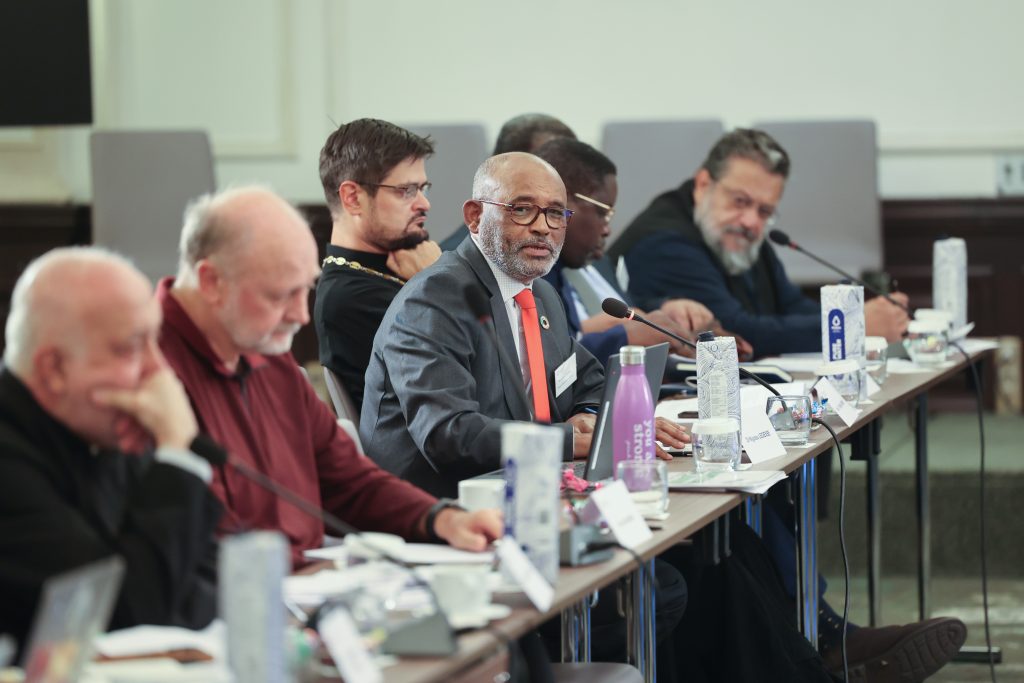
The Orthodox Ecumenists, in their deep delusion, believe that participation in the Ecumenical process gives them useful tools of reconciliation to apply within their space—that is, of unity and love, but without Truth! And that this movement provides divine inner healing! But this is a declaration of their spiritual blindness, since they clearly cannot distinguish divine Energies from human—or even demonic—ones! And then, how can they shepherd the Church of God? Or lead their flock infallibly on the path of salvation?…
But what salvation? Such a concept and concern are not found in the practically active Ecumenical movement. Its supporters are feverishly and vainly occupied with solving the problems of this world, which they merely selectively describe and dramatize, without being able to offer even the slightest real solution—apart perhaps from some humanitarian aid, which any organization could likewise offer.
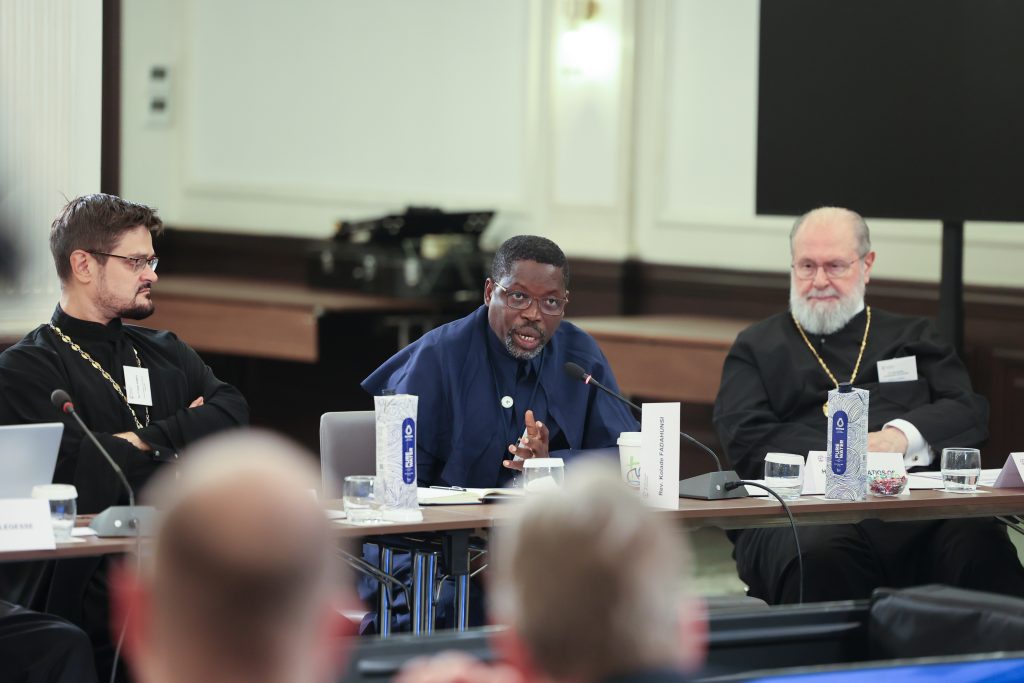
Kazarian, undeterred, continued with the question:
“What can Orthodoxy offer to this ecumenical journey?
A. A rich theology of communion as the basis of Christian life;
B. A spiritual tradition that prioritizes the healing of the heart (katharsis) as a prerequisite for reconciliation;
C. The continuous leadership of the Ecumenical Patriarchate, which has consistently supported dialogue, peace, and human dignity.”
The “theology of communion,” a concept dear to the late John Zizioulas, if rightly understood in an Orthodox sense, can only be applied within an Orthodox framework—outside of which it cannot function.
If, however, it is understood in a heterodox manner, within the context of an expanded ecclesiological vision, it opens the door to the development of various nebulous theories suitable for scholarly debate, clearly promoting the establishment of a pan-Christian ecumenist mindset.
This direction is clearly served by the reference in the text under review.
As for the idea of purification of the heart as a prerequisite for reconciliation—it has no relevance or rightful place in ecumenical affairs.
It pertains to the invocation of divine mercy in repentance, for the rediscovery of baptismal grace that has been obscured by the accumulation of sinful passions and desires.
This functions only within an Orthodox therapeutic framework, within the liturgical, eucharistic, and spiritual tradition of Orthodoxy.
It can truly lead—when practised with humility and obedience to a spiritually experienced elder who has endured divine things—to purification of the heart, which reaches the point of being “burned” with mercy for every creature and for all of creation.
However, for this sacred state to be confused within ecumenical contexts, where no trace of an Orthodox therapeutic idea exists, and to be used in a superficial, slogan-like way to create impressions, is like throwing pearls into a polluted place and environment!
But this is not surprising, considering the extent of the aforementioned spiritual darkness of the ecumenists, who may know theoretical elements of the holy Hesychast Tradition but lack deeper understanding—thus they easily confuse what should remain distinct.
As for the “continuous leadership of the Ecumenical Patriarchate” as Orthodoxy’s contribution to the ecumenical journey—we must admit we are astonished by the insistence of the ecumenists of the Patriarchate of Constantinople!
Their eagerness to promote their newly-minted ecclesiological heresy of the so-called “Primacy” of their See and its Primate as “First without equals,” drives them to make such claims even in ecumenical forums!
However, if the majority of Orthodox Christians rightly reject such a “Primacy,” the ecumenists of the Phanar hope that such theories might appeal to their Protestant partners—despite the fact that Protestants are famously known for rejecting all forms of authority and imposition!
Did the Protestants flee the arrogant Western Papacy only to now encounter an Eastern imitation of it?!..
Kazarian concluded his flawed presentation: “Orthodox participation in 1925 was significant not only in ecumenical terms but also in deeper engagement with social ethics, culture, and the Church’s mission in the world. Healing (of divisions?) does not come through dedication to our factions, but through faith in Christ. May this centenary renew our resolve to walk together, to co-minister, and—by God’s grace—to become one.”
Here we observe the extraordinary act of separating belonging to the Church of Christ via the impermissible claim of belonging to a “faction,” from faith in Christ, which allegedly brings healing regardless of church belonging! What healing? We assume healing of divisions.
Yet no healing, wholeness, or salvation is achieved individually and apart from the Church—only ecclesiastically. Faith in Christ does not act or effect a saving result except within His holy God-Man Body, the Church. Without inclusion in His one and only Body, healing and salvation cannot be accomplished. You cannot be a Christian unless you belong to the fellowship of disciples, of brothers in Christ, to the Apostolic Communion (Acts 2:42). Only within the Body of the Church does growth in Christ occur, in the communion of the faithful (1 Cor 12:12; Eph 4:11–16). The unity of Church and Christ is unbreakable.
If what Fr. N. Kazarian said constitutes “Orthodox Testimony” before heterodox, then we can understand the magnitude of the theological distortion within the Ecumenical Movement and how far things have gone wrong. This tragic realization—as we have demonstrated and will continue to show—is not “fundamentalism,” as those who oppose the heresy do not claim, nor does it amount to “demonizing Ecumenism,” as Maha Milki Wehbe, the Antiochene Patriarchate’s representative, accused.
Ecumenism, as a theological heresy, is not from the Truth—i.e., from God—but from the devil, the father of lies, delusions, and heresies. This self-evident truth annoys the Orthodox ecumenists, who hasten to propose addressing this so-called worrying phenomenon within the “WCC,” where people should meet with “open minds” and cultivate the spirit of unity. (Orthodox Times, May 19, 2025).
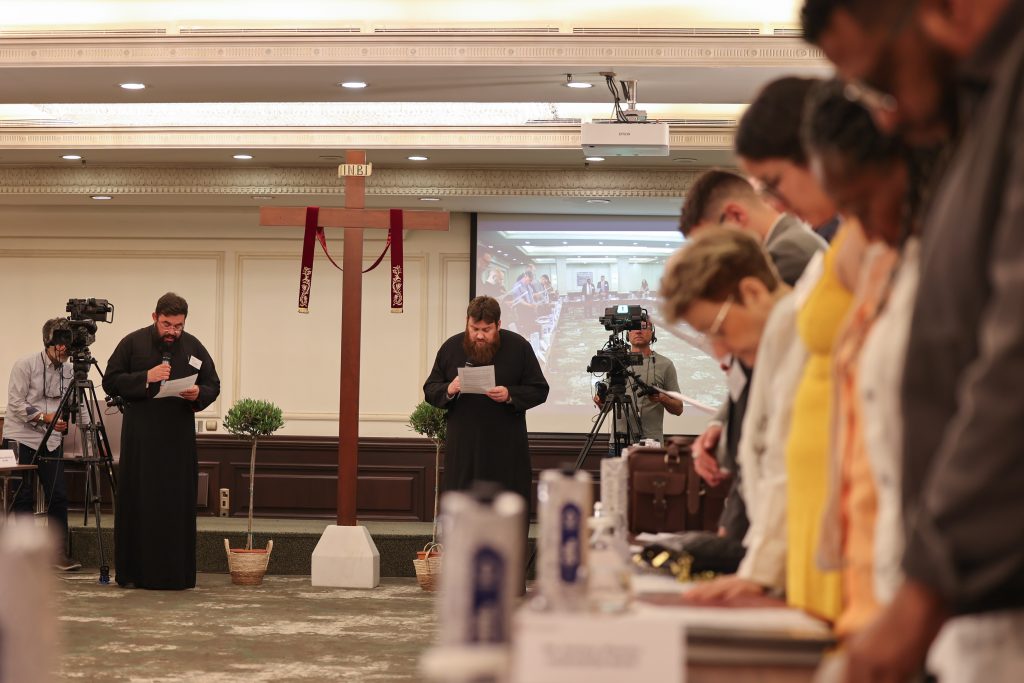
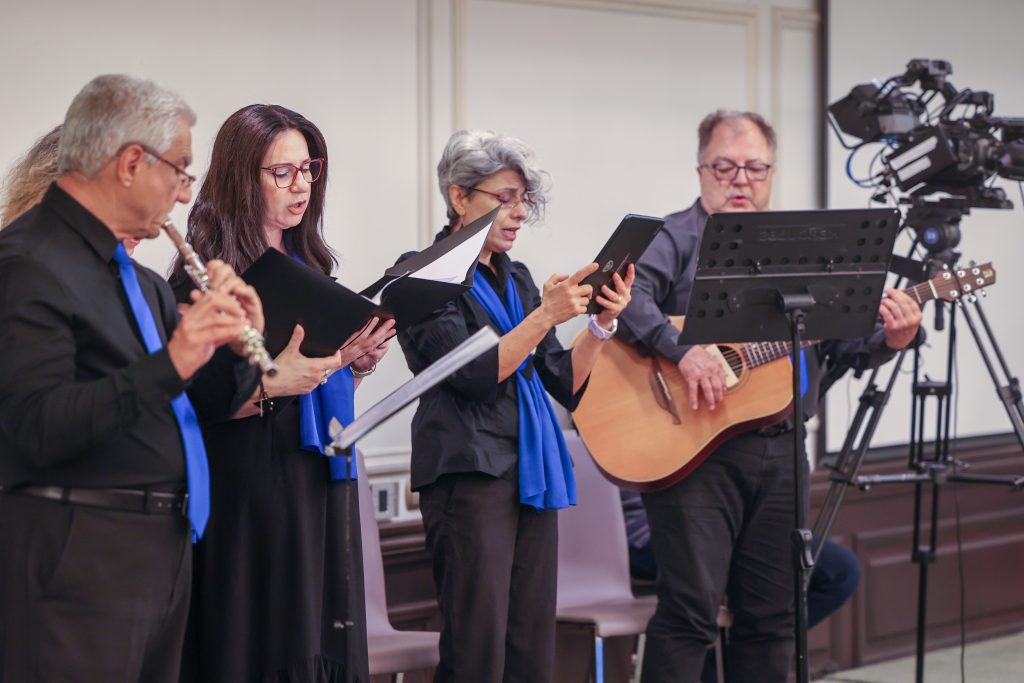
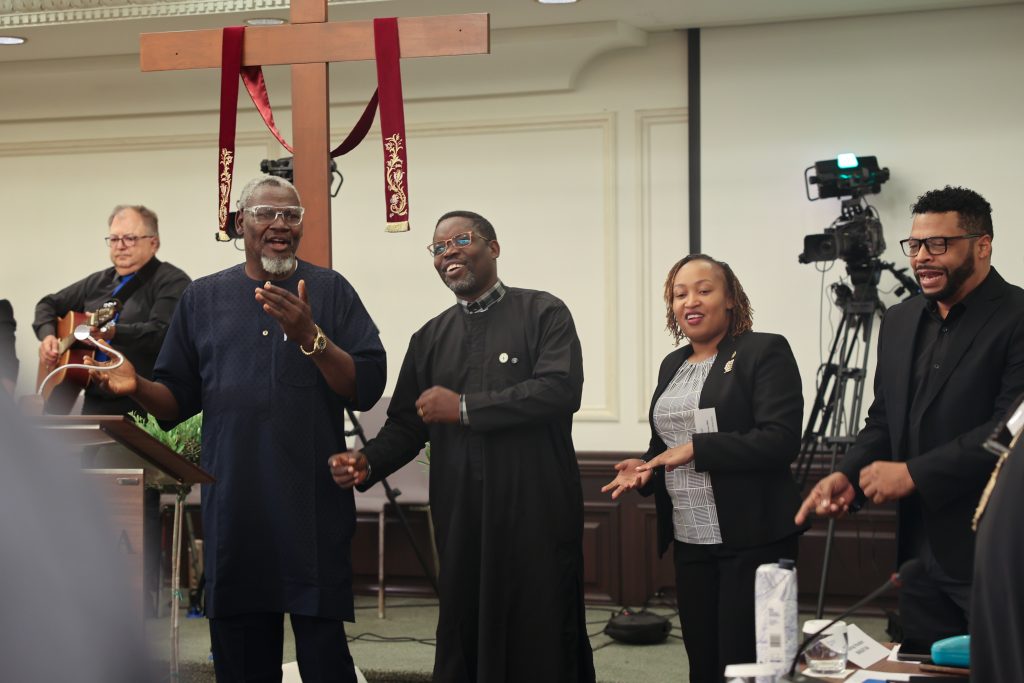
It should be noted that at the Ecumenical Conference in Athens, impermissible joint prayers were performed during its proceedings—both according to Orthodox tradition (Orthodox Times, May 19, 2025), and Protestant, with accompanying musical instruments and dance movements, as seen in relevant photos.
But the main issue with Ecumenism is not that joint prayers take place. If we accept that, then we reduce the primary theological problem of Ecumenism from its heretical distortion to a mere issue of violating Sacred Canons. That is, a doctrinal problem concerning Faith becomes merely a canonical issue. But that minimizes the matter—and is a grave mistake.
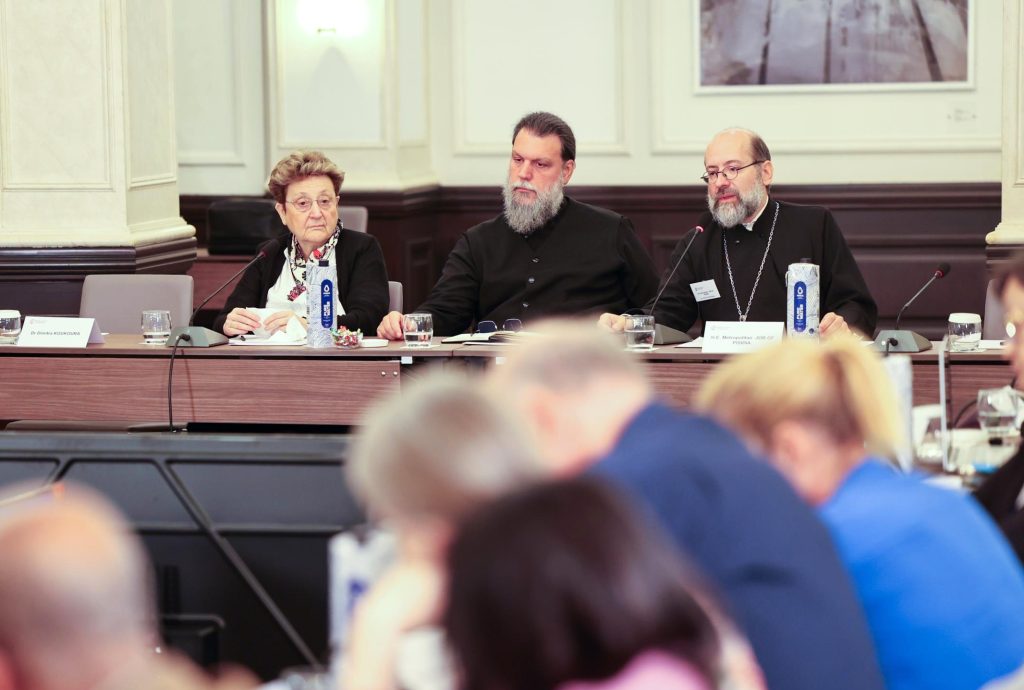
On the third day, May 20, during the discussion on “theological bridges between Nicaea and Stockholm,” Professor Dimitra Koukoura from AUTH spoke about the First Ecumenical Council, which aimed to preserve the unity of the Church as well as of the Empire, and also to compose the Creed. Then she stated that unity was broken in the early second millennium by the great schism between Rome and Constantinople. Subsequently, the Lutheran movement departed from Rome and spawned numerous offshoots, “so that now the Church is split” due not only to theological reasons but many others. Nonetheless, she continued, Christian ecclesial communities exist everywhere in the world where the faith of Nicaea-Constantinople is professed via the Creed. In the early 20th century “the one indivisible Church of the first millennium, which was now divided” into many even hostile churches without unity, Christians met together in Stockholm in 1925 in a “community of churches.” (Orthodox Times, May 20, 2025).
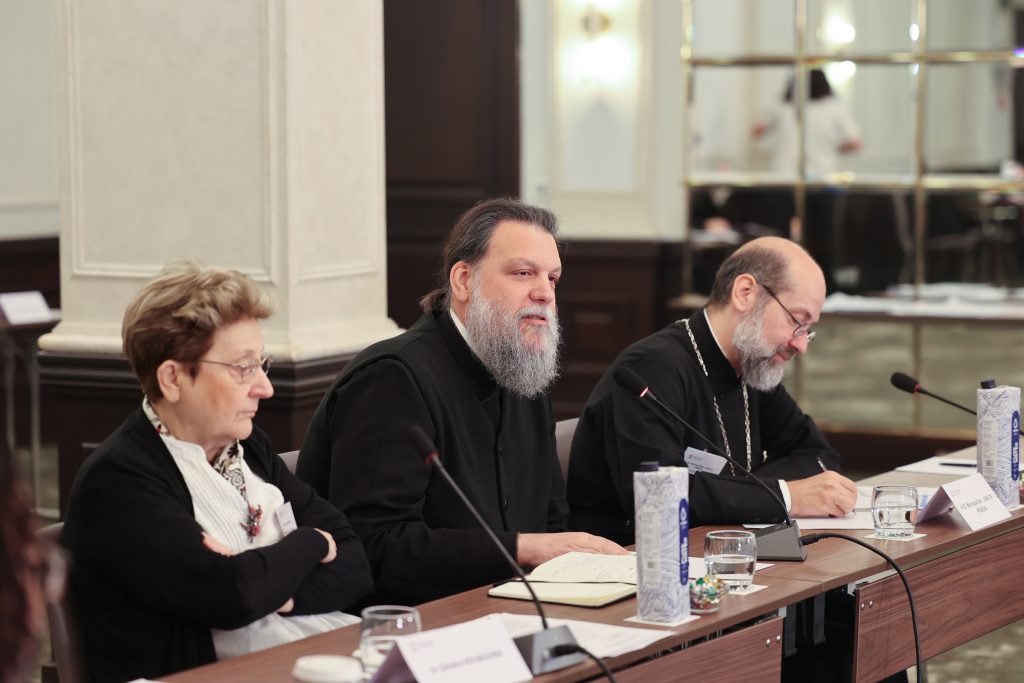
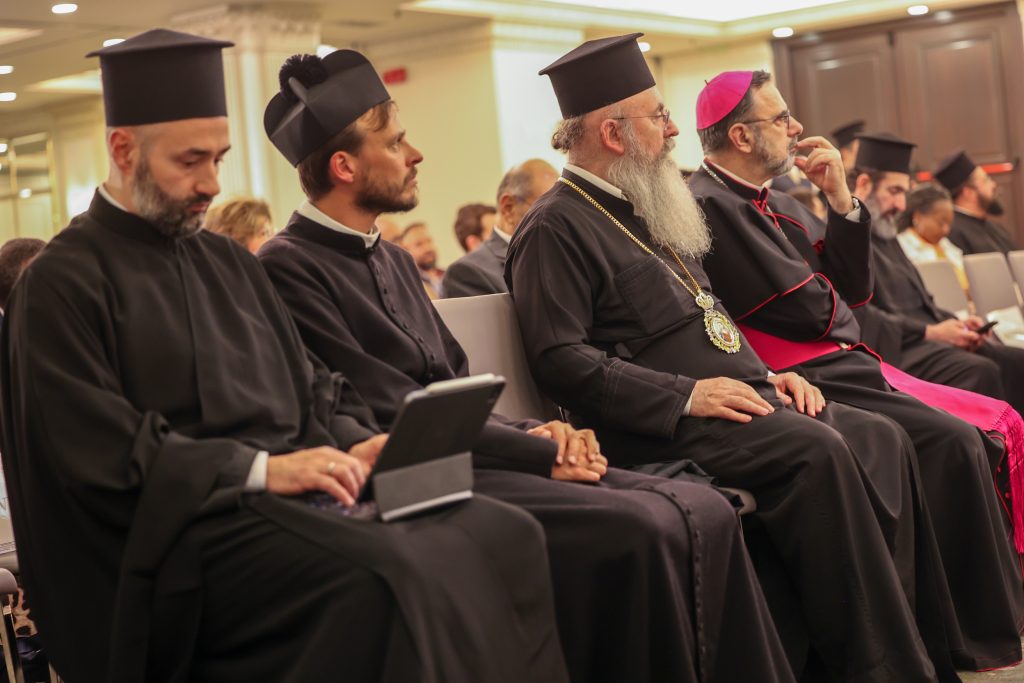
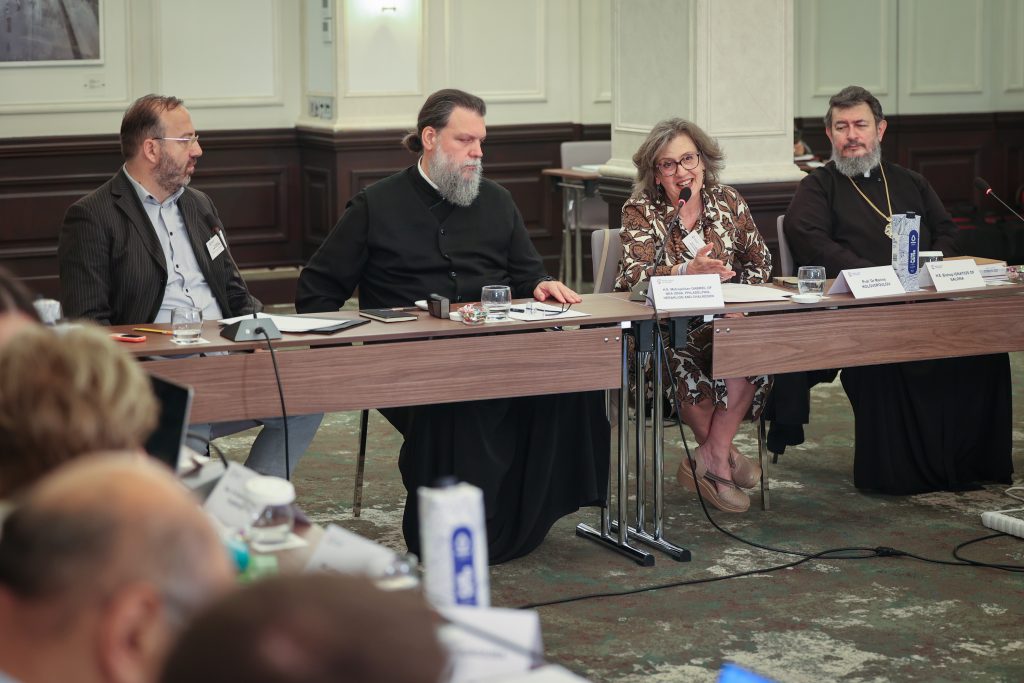
Professor Koukoura’s “naïve” reasoning is clearly completely wrong. In the first millennium we had an indivisible Church, even if many Christian bodies broke away and were condemned as heretical. But in the second millennium we simply had a division between West and East, and also within the West. And only in 1925 did the separated Christians decide to establish a “community of churches.” All this is said before hierarchs (among those attending the Conference, in photos one can see the bishops Gabriel of Nea Ionia, Iov of Pisidia, Chrysostomos of Messinia, Gregory of Peristeri, Agathangelos of Phanar, Athanasios of Achaia, Ignatios of Salona), clergy, professors, etc.
However, anyone with basic knowledge of ecclesiastical matters knows that what was true in the first millennium remained true in the second, will be true in the third, and always will be. There is only one true Church of Christ—the Orthodox—as the God-Man Body of Christ, with one sinless Faith, one true Baptism, one sure path to salvation. And this one Body of the Church, with Christ as Head, is not subject to division. Common doctrinal faith is the cohesive power of communion and the secure foundation of unity. Without preserving the “unwavering and firm” faith delivered once and for all, there is neither ecclesial unity nor preservation within it (see St. Gregory the Theologian, Oration 36.10).
Deviation from the Faith constitutes falling away from that holy Unity, means proclaiming heresy and breaking away from the Body of the Church—according to the synodal process and declaration provided—not, of course, causing division to persist. Return to Unity means returning to the Truth of the Church and entering into its fellowship. Clearly this process requires compassion and tolerance toward heretics, because it is their return from death to life.
This, however, has not happened nor is happening in the condemnable Ecumenical movement, which is fundamentally flawed. Communion of living and dead, co-ministry, cooperation, joint prayer, etc. are utterly impossible and inconceivable in the Patristic and Synodal Tradition of the Orthodox Church, as mentioned earlier. This new heretical ecclesiological self-awareness of Orthodox ecumenists—that they constitute an “Ecumenical Brotherhood” with heterodox, as they confessed at their pseudo-synod in Crete in 2016—makes them self-condemned, uncommunicable, participants in heretical contamination.
This must be strongly emphasized, because some knowingly or unknowingly trivialize the issue as merely one of calendar difference, which allegedly did not and does not justify lack of ecclesiastical unity between Old Calendar and New Calendar supporters. But it is not just a calendar issue! It is a matter of Faith! We are not “calendar-worshippers” but Christ-worshippers. And we do not struggle over preference in the days of feasts, but for the Truth and Unity of the Church!
Metropolitan Job of Pisidia continued without clarifying what it means in today’s reality when he observed that it is not doctrines that divide, but heresy divides. On the contrary, he said that the social work of the “WCC” differs from that of any other civic organization, because “we build the Body of Christ”! And that “the Church transforms the world by bringing people into the Body of Christ, into the Church”! (WCC website, News, May 21, 2025).
Completely vague statements. The “WCC builds the Body of Christ,” “transforms the world” through its work and actions, and brings people into the “Church of Christ”?! If what is said here is truly the meaning, then we have yet another triumphant confirmation of the heretical nature of the ecclesiological self-understanding of Orthodox ecumenists.
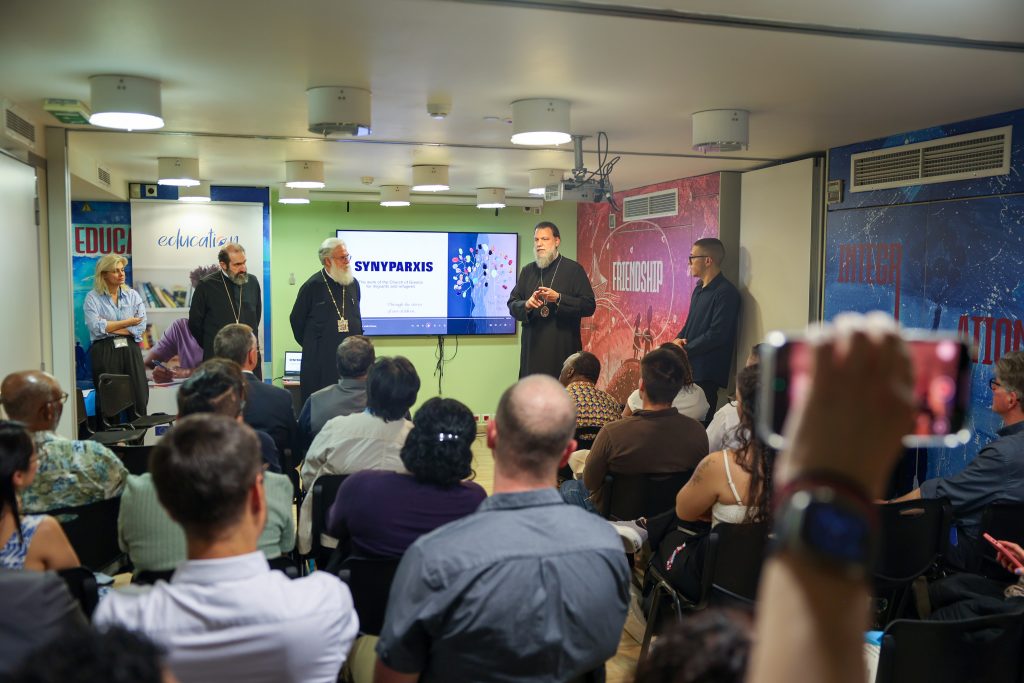
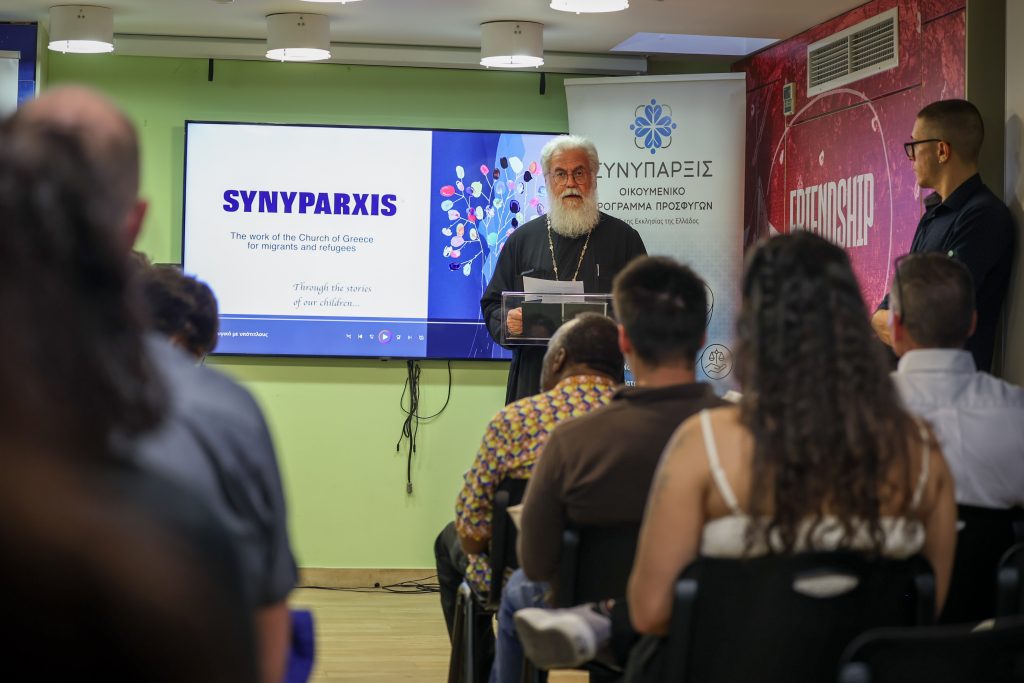
The hosts of the Ecumenical Conference in Athens visited, along with the Conference members, the facilities of the Church of Greece’s hospitality structure in Vouliagmeni, under the name “Coexistence – Ecumenical Refugee Program.” Present was the General Director of the center, Metropolitan Athenagoras of Ilion. The issue of supporting refugees and asylum seekers was addressed, and the close contact between “Coexistence” and the WCC was confirmed. (Orthodox Times, May 20, 2025).
The final Message of the Athens Conference (see WCC website, International Affairs Committee, Documents, May 22, 2025) contains a distinctly Protestant-oriented mindset, once again dispelling any talk of “Orthodox Testimony,” which from time to time is heard from Orthodox ecumenists to justify the unjustifiable. The ecumenical text of Athens tells us that there are existential challenges causing distress—nuclear weapons, cyberwar, social media, artificial intelligence, global climate crisis, etc. It observes that international organizations like the UN have failed to prevent conflicts. Therefore, it proposes radical reform of the international peace and security order regarding the scourge of war. Emphasis is placed on peacebuilding and provision of humanitarian aid. In response to observed economic inequality, it reinforces the notion of a “Welfare State.” It encourages deepening ecumenical and interreligious reflection and dialogue concerning the relationship between religion and state. It also emphasizes unifying elements through ecumenical movements, commitment to dialogue, cooperation, and solidarity. Regarding hospitality in Athens, it underlined and reinforced anew the fraternity and common ecumenical heritage in the “Life & Work” movement. And the Message concludes: “We thank God for the blessing of our unity in Christ!”
We clearly understand that the originally flawed mindset of the Protest—with regard to themes and aims, methodology and proposals, and concerning the final conclusion about the “recognition of existing unity”—is once again triumphantly confirmed with all solemnity. It was yet another new Ecumenical fiasco—a new ecumenical bubble in the middle of Athens—hosted and provided hospitality by the Innovating Church of Greece, to its great shame and condemnation.
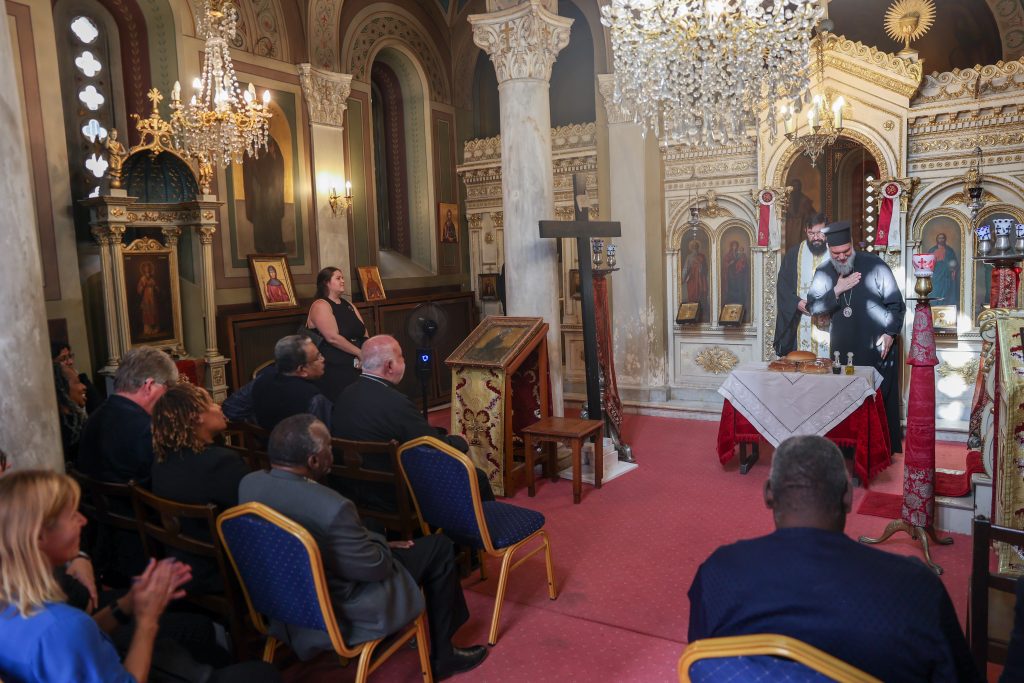
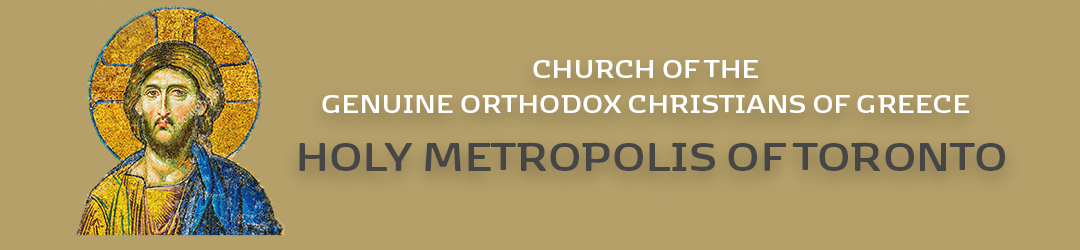
From photos provided by the WCC, it appears there was a concluding prayer service, including the artoklasia (blessing of bread), in an Orthodox Temple on May 22, coordinated by Gabriel of Nea Ionia, in which participated clergy and a chanter choir, and which was attended by seated “WCC” partners watching the “show”…
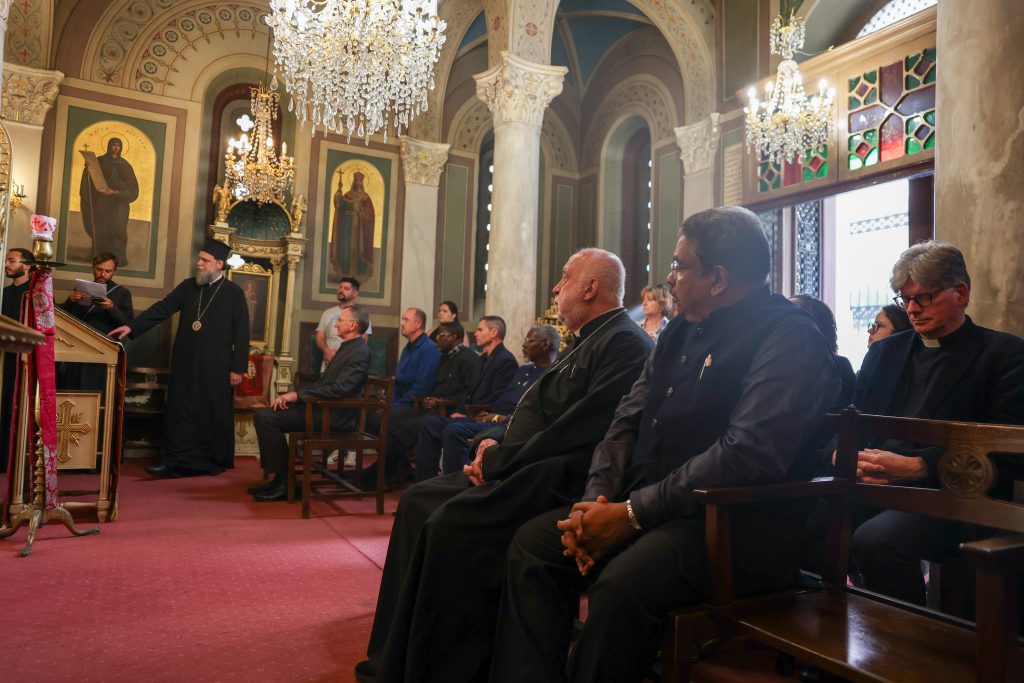
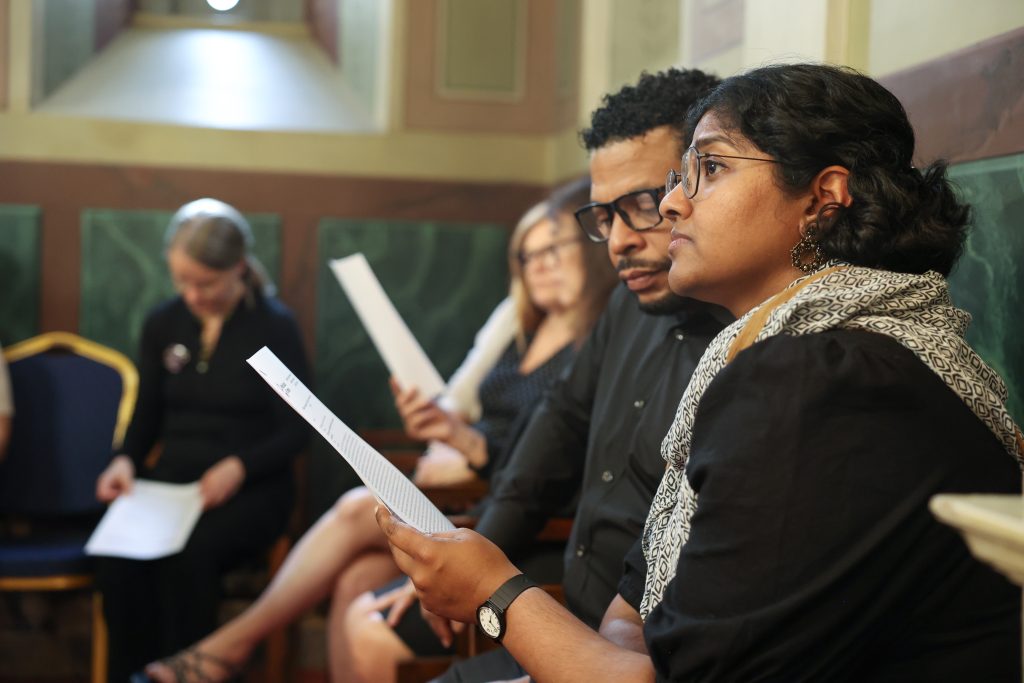
In conclusion, we emphasize that none of the above was presented online from what we could find—neither on the official website of the Church of Greece (Department of Interorthodox and Inter-Christian Relations), nor in the metropolises whose bishops participated in the Ecumenical Conference, nor via the well-known ecclesiastical news agencies. Only the Metropolis of Pisidia of the Ecumenical Patriarchate had a brief mention on May 24, 2025. We obtained the primary material from the WCC website and from only one page that reported the event (Orthodox Times).
We wonder reasonably whether the total silence was deliberate so that no one in the clergy and people would learn about this, or whether it was simply due to lack of interest, care, or organization—things well known in our unlikely Greek reality. However, we lean toward the first conclusion, since we think it impossible that everyone without any exception lacked interest or organization.
In light of this, the inexorable question arises: whom among the Orthodox ecumenists do they actually represent in all they say and do in this field? In whose name do they speak and act? Their own alone? What is their concern and care for the reception by the ecclesial faithful of everything that occurs in Ecumenism? What ecclesiological and ecclesiastical deficit does this reveal? Whom and what do they fear so much that they hide behind their finger?
We understand that a serious and responsible answer to these decisive questions will not be given. For everything functions except the concern for maintaining and promoting good ecumenical relations—even if it is harmful from every point of view for the faith. But that is how the times dictate, so do religious or political authorities’ directives, so do various interests and secular calculations, so on…
Does anyone among them seriously wonder if this is what the Head of the Body of the Church, our Lord Jesus Christ, commands? If the Holy Spirit, who leads into all truth by divine inspirations and clear urges, commands this? If the Saints of the Church, ancient and modern, command this? NO! A thousand times NO!
Addressing therefore the disregarded Clergy and Laity, who knowingly or unknowingly submit themselves to the disobedient Orthodox Ecumenists, disobeying the divine Commandment, we express our sincere sorrow over the condemnable—in every respect—stance and behavior of the leaders and those responsible for their immortal souls.
Yet, if this brings them comfort and assurance regarding their unshaken voyage toward the Kingdom of Heaven, then there is certainly a serious problem—and an extremely dangerous attitude and gullibility.
We, who are regarded as “uncanonical” Anti-Ecumenist Brethren of theirs who follow the Old Calendar, nevertheless call them—as from God—to repentance and to a truly Orthodox path and course.
The Ecumenist deviation, which was expressed both officially and covertly in Athens recently, is neither pleasing to God nor does it lead to the Lord of Glory. Apostasy and corruption prevail.
May we be delivered—by God’s help and grace—from this eschatological temptation, which for a century now has been testing everyone “upon the whole world” (cf. Revelation 3:10), so that the faithful and true servants of God may be revealed—those who will keep until the end the word of His divine patience.
Larissa, June 27 / July 10, 2025
